
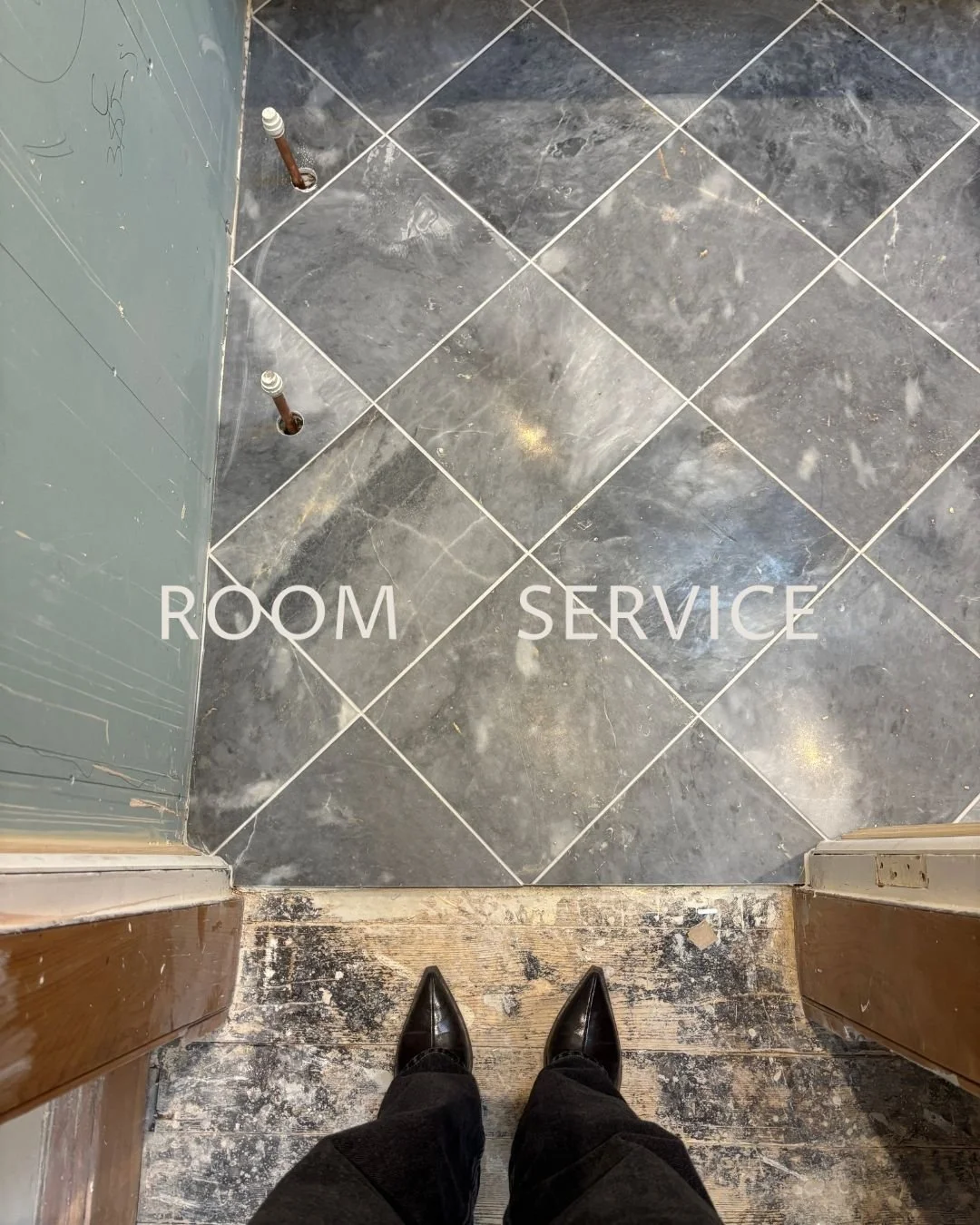
Flooring is one of those decisions that can feel deceptively simple.
Wood or carpet?
Stone or tile?
Light or dark?
But in reality, flooring affects far more than how a room looks.
It changes how spaces connect, how furniture sits, how light moves through a house and how practical the rooms feel day to day.
And because it is disruptive and expensive to change later, it is one of the decisions I would always rather get right at the beginning.
Start with how the house needs to work
Before thinking about colour or finish, I would start with the practical questions.
Is this a busy family home?
Are there children or pets?
Does the flooring need to run through several connected spaces?
Will shoes be worn indoors?
Does the room open directly onto the garden?
Is underfloor heating involved?
Will the floor need to cope with water, food, muddy paws or heavy furniture?
The most beautiful floor in the world is not a good decision if you spend the next five years worrying about damaging it.
A good material needs to suit the reality of the house.
Think about the whole floor plan, not one room
One of the easiest ways to make a house feel disjointed is to choose flooring room by room without thinking about how the spaces connect.
A timber floor in the hallway.
A different timber in the living room.
A tile in the kitchen.
Another finish in the utility.
Individually, each may be perfectly nice. Together, the house can start to feel chopped up.
That does not mean every room needs the same floor.
Sometimes a change of material is exactly right.
But the transitions should feel intentional.
Where does one material stop?
What happens at the doorway?
Do the colours work together?
Will the finished floor levels line up?
These are small decisions on paper, but they have a surprisingly large impact once everything is installed.
The direction matters too
With timber flooring, even the direction of the boards can change how a room feels.
Running boards in one direction can make a space feel longer.
Another direction might improve the visual connection between rooms.
Sometimes the architecture gives you an obvious answer.
Sometimes it does not.
It is worth thinking about this before installation starts rather than allowing it to become a decision made on site because someone needs an answer that morning.
Expensive does not automatically mean practical
Natural stone, solid timber and handmade tiles can be beautiful.
But the highest-priced option is not always the best choice for the project.
An engineered timber floor may make more sense where there is underfloor heating.
A porcelain tile might give you the appearance you want with less maintenance than natural stone.
A good-quality carpet may be far more appropriate for a bedroom than extending hard flooring throughout simply for consistency.
The question is not:
What is the most luxurious material we can afford?
It is:
What material will look right, perform properly and age well in this particular house?
Do not forget what sits underneath it
Clients understandably focus on the finished surface.
But a lot can happen beneath the floor before the beautiful part goes down.
Subfloor preparation.
Levelling.
Underlay.
Moisture checks.
Insulation.
Underfloor heating.
Removing and refitting skirting.
Thresholds.
Door adjustments.
These can all affect both cost and programme.
This is one reason flooring budgets can grow unexpectedly.
The price per square metre is only one part of the total cost.
Flooring affects everything around it
Changing the floor can have knock-on effects throughout a room.
Skirting may need to move.
Doors may need trimming.
Kitchen plinths can be affected.
Transitions into adjoining rooms need resolving.
Built-in joinery may need to account for the final floor height.
Even the colour of the floor can change how paint, cabinetry and furniture feel beside it.
It is another example of why renovation decisions rarely exist in isolation.
The floor is connected to almost everything else.
Sometimes the best floor is already there
Before automatically replacing an existing floor, it is worth finding out what you have.
Original boards may be repairable.
A good-quality timber floor might simply need refinishing.
Stone could potentially be cleaned or restored.
Even something that initially feels dated may work beautifully once the rest of the room changes.
As with so many renovation decisions, the first question should not always be:
What should we buy?
Sometimes it should be:
What is worth keeping?
Flooring should quietly hold the house together
The best flooring often does not demand much attention.
It simply makes the architecture, furniture and materials around it feel more coherent.
It creates continuity.
It supports the way the house is used.
And ideally, it is something you are still happy to live with long after the more decorative parts of the room have changed.
That is why I think flooring deserves to be treated as one of the foundational decisions in a renovation.
Not simply another finish to choose at the end.
Get the floor right, and a lot of the rest of the house has a much better chance of falling into place.
Planning a renovation?
If you are unsure which materials are worth investing in, what should be retained or how the different decisions in your home should work together, Room Service can help.
Our Design Consultancy and Full Interior Design services are designed to give you a clear, considered plan before the expensive decisions are made.