
How to Make Your Home Feel Expensive (Without Making It Feel Untouchable)
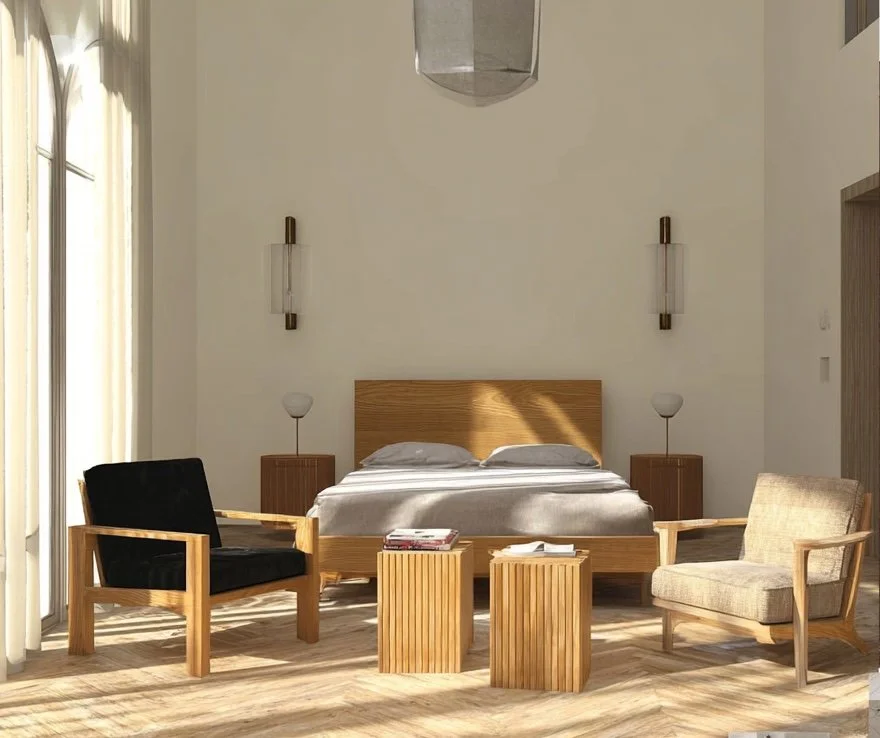
There’s a certain type of home that instantly feels calm the moment you walk into it. Nothing is shouting for attention. Nothing feels overly styled. It just works. And usually, it’s not because the owners spent the most money. As an interior designer, I actually think the homes that feel the most luxurious are often the ones that feel the most personal.
The goal isn’t perfection. It’s atmosphere.
Expensive-looking homes rarely feel “overdone”
One of the biggest misconceptions in interiors is that luxury means adding more: more trends, more statement pieces, more expensive finishes. But the spaces that feel truly elevated are usually quieter than that.
They focus on:
balance
texture
lighting
proportion
warmth
consistency
A room doesn’t need to be filled to feel finished. Sometimes the most effective thing you can add is restraint.
Lighting changes everything
Honestly, lighting is probably the thing that transforms a home the fastest. And yet it’s often treated as an afterthought. A single overhead light can flatten an entire room. Layered lighting is what creates atmosphere:
table lamps
wall lights
warm bulbs
dimmers
low-level lighting
hidden lighting within joinery
Good lighting makes spaces feel softer, calmer and far more considered.
Texture matters more than trends
A room with depth and texture will always feel more expensive than a room full of trends.
Think:
linen curtains
natural timber
aged brass
boucle
matte finishes
vintage woods
textured ceramics
layered fabrics
The homes that feel best usually combine old and new together. That contrast is what gives a space character.
Scale is often the thing that’s “off”
This is something people rarely talk about. A room can have beautiful furniture and still not feel right because the scale is wrong. A rug that’s too small can make an entire living room feel awkward. Lighting hung too high makes ceilings feel disconnected. Tiny bedside lamps beside a large bed can throw everything off balance.
Sometimes a home doesn’t need replacing — it just needs recalibrating.
Your home should still feel liveable
One of the things I care about most when designing homes is making sure they feel approachable. Beautiful — but comfortable. Refined — but still somewhere you can put your feet up.
The best interiors support real life:
children
pets
guests
busy mornings
slow evenings
laundry piles
takeaway nights
A home should work for the people living in it.
Not just the photos.
Invest slowly and intentionally
One of the best ways to create a home that feels elevated is to stop trying to finish it instantly. The most interesting spaces are collected over time.
That might mean:
mixing vintage with contemporary
investing in lighting first
buying fewer but better pieces
waiting until you find the right item instead of rushing
Design isn’t about filling every corner immediately. It’s about creating a home that feels considered and personal to you.
Final thoughts
A beautiful home isn’t necessarily the most expensive one. It’s the one that feels cohesive, calm and genuinely lived in. The spaces people remember are rarely the trendiest. They’re the ones that feel good to be in.
If your home feels close but not quite right, Room Service Interiors offers interior design consultancy and full design services across Edinburgh and throughout the UK.