
The Interior Design Decisions You Need to Make Before Builders Start
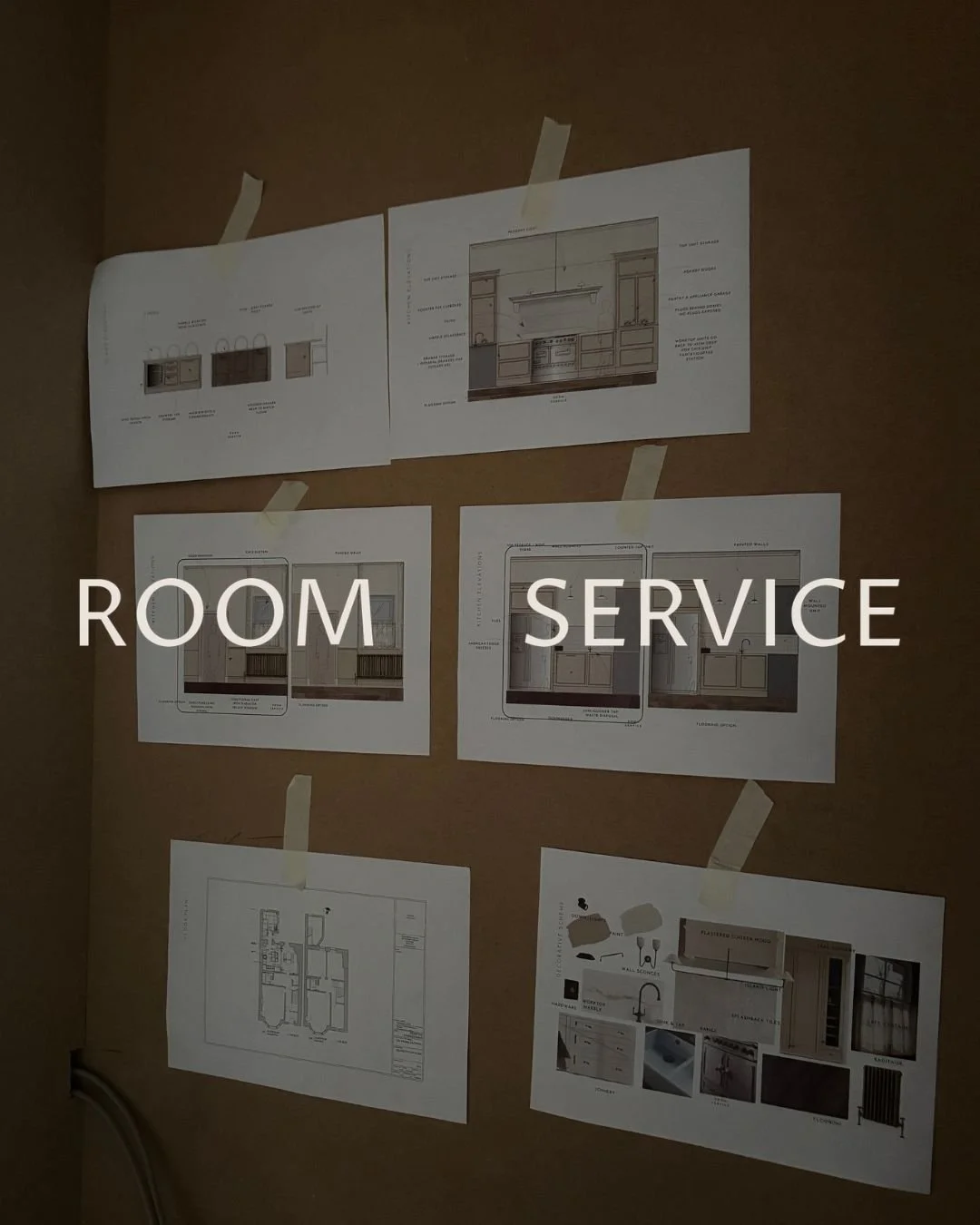
There are certain renovation decisions homeowners almost always wish they’d made earlier. Usually once the walls are plastered. Or the kitchen is ordered. Or the electrician is asking questions nobody feels qualified to answer.
As an interior designer, one of the biggest things I help clients with is making key decisions before construction begins — because that’s often what prevents stress, delays and expensive changes later on. Here are some of the biggest things worth thinking about before the builders arrive.
Lighting plans are not “just electrics”
Lighting is one of the most important parts of a home — and one of the most overlooked.
Good lighting affects:
atmosphere
functionality
mood
flow
how colours look
how relaxed a space feels
And it needs to be planned early.
Things like:
wall lights
pendant positions
dimmer switches
bedside lighting
kitchen task lighting
LED joinery lighting
outdoor lighting
All require coordination before plastering and decorating happens.
A lighting plan should work around how you live in the space — not just where the ceiling currently allows a fitting.
Furniture layouts should happen before sockets
This surprises people all the time. But furniture layouts are essential for planning:
socket placement
TV positioning
lighting
walkways
rug sizing
joinery
storage
Without layouts, rooms often end up looking good on paper but functioning awkwardly in reality. A house should feel intuitive to move through.
Kitchens involve more decisions than expected
Kitchens are usually where renovation overwhelm peaks.
Because there are so many layers:
cabinetry
worktops
appliances
tap finishes
storage
lighting
flooring transitions
sockets
seating
functionality
And many of those decisions impact construction timelines. The earlier the direction is established, the smoother the process becomes.
Storage should feel invisible
The best storage solutions rarely scream “storage”. They’re integrated naturally into how the home works.
Before building starts, it’s worth considering:
what needs hidden away
daily habits
children’s toys
utility spaces
hallway clutter
cleaning storage
charging stations
future family needs
Good storage makes a home feel calmer instantly.
Curtain tracks, ceiling details and joinery matter early
Some of the details that make homes feel really considered are the ones planned quietly in the background.
Things like:
recessed curtain tracks
ceiling shadow gaps
built-in joinery
wall panelling
flush skirting details
hidden doors
bespoke shelving
These elements often need builder coordination well before decorating starts.
Rushed decisions usually cost more
One of the biggest misconceptions about renovations is that moving quickly always saves time.
In reality, rushed decisions often lead to:
reordering
delays
compromise purchases
layout regrets
costly changes later
Having a clear design direction early creates confidence throughout the project.
It doesn’t mean every detail must be finalised immediately — but it does mean the house has a roadmap.
Final thoughts
A successful renovation is rarely about making thousands of perfect decisions. It’s about making the right decisions at the right time. That’s often the difference between a renovation feeling chaotic versus genuinely enjoyable.
At Room Service Interiors, I work with clients from the earliest planning stages to help create homes that feel thoughtful, functional and cohesive long before construction begins.